Walking and Cycling Strategy for Cape Town gets the green light
23 May 2025
The City's Walking and Cycling Strategy has recently been approved by Council. The municipality's Urban Mobility Directorate seeks to, over time, reposition walking and cycling as safe, accessible, sustainable and primary modes of transport in Cape Town. This long-term strategy supports the investment in pedestrian and cycling improvements that promote access to opportunities and integration of transport in Cape Town.
‘A car-centric approach is unsustainable for future growth in the Mother City. In our efforts to keep Cape Town moving, we need to adopt a bold shift towards active mobility, particularly walking and cycling as these modes play a critical role in supporting public transport systems and the overall integration of transport in Cape Town,' said the City's Mayoral Committee Member for Urban Mobility, Councillor Rob Quintas.
Cape Town's infrastructure is not designed to prioritise pedestrians and cyclists. The Walking and Cycling Strategy therefore outlines Cape Town's commitment to creating a more inclusive, people-focused transport system and to reposition walking and cycling as primary, safe, and sustainable modes of transport. Through strategic planning, the City can use this strategy to reshape the current landscape, and address existing gaps in infrastructure, integrate active mobility into urban design, and enhance collaboration across government bodies to achieve long-term, sustainable transport solutions.
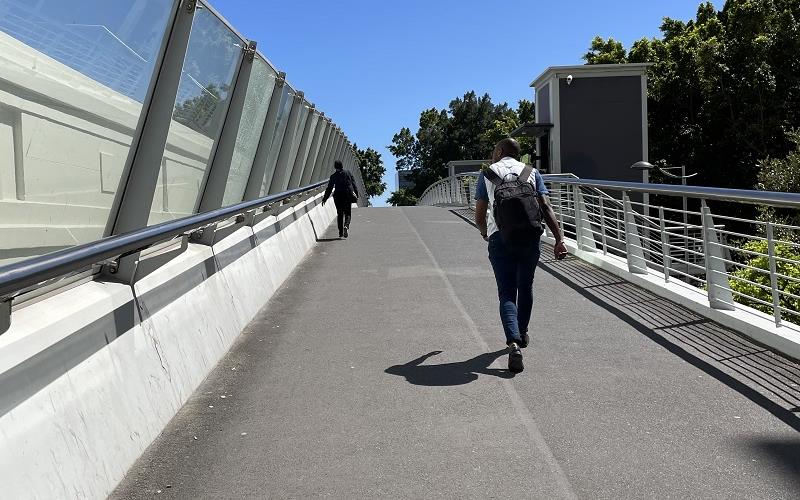
The City has made significant progress in enhancing walking and cycling infrastructure, but much more is needed to meet demand. Walking remains the most common mode of transport for lower income households in particular, while cycling provides a cost-effective and healthy option. Still, both modes face challenges due to inadequate safety and accessibility.
The City has a body of existing planning interventions and a successful track record of implementation for active mobility. Nevertheless, the network remains incomplete, fragmented, and overall insufficient in meeting the need. In pursuing a sustainable transport system, a more holistic and integrated strategy is required, which recognises that walking and cycling will be key going forward.
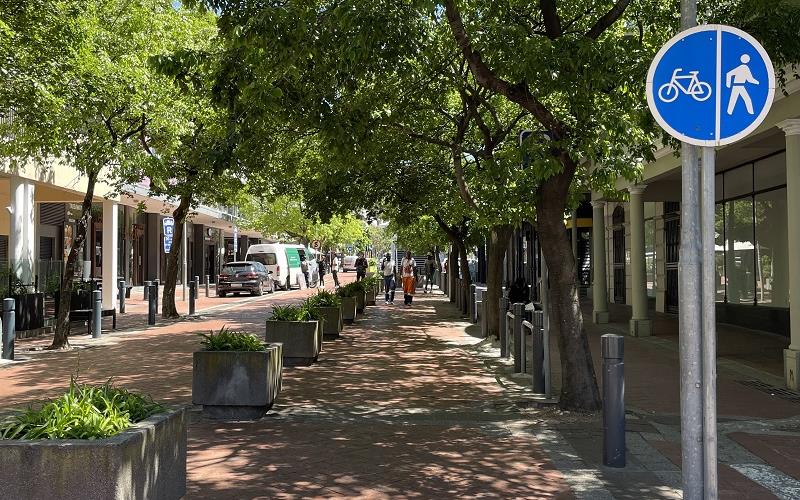
‘Walking and cycling require continuous and safe networks by prioritising infrastructure around key precincts and at public transport interchanges. High-demand cycling routes will be crucial. Targeted investments in these areas will then increase mobility, safety and accessibility. Creating highly pedestrianised precincts and cycle highways will offer complete, safe walking and cycling routes that actually have the potential to reduce traffic,’ said Councillor Quintas.
First off, the strategy will focus on strengthening partnerships to raise awareness and improve road safety for pedestrians and cyclists, as well as the refocusing of the City’s existing network and infrastructure planning programmes.
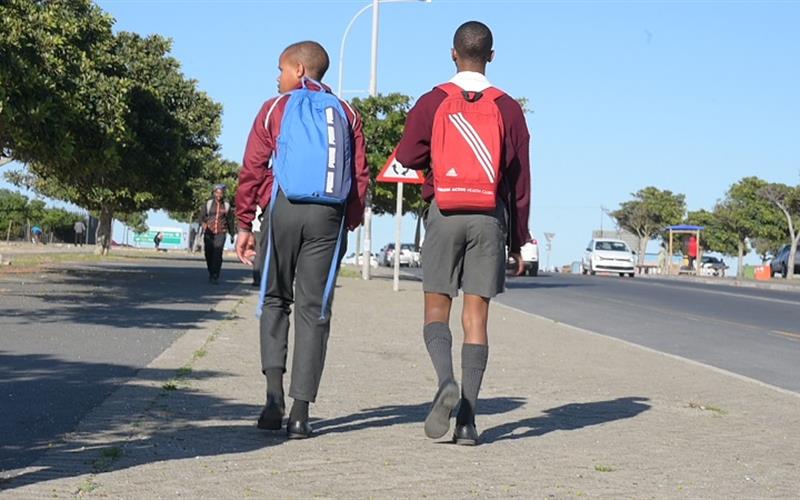 Over the long run, the implementation of the strategy will reform transport planning and design to prioritise walking, cycling and public transport over private vehicles with a vision to achieve a people-centric city on a metro-wide scale, where walking and cycling are the preferred modes of transport.
End
Published by:
City of Cape Town, Media Office